


DramaPlay - Trending Dramas
4.022.00 Reviews
App Specs
- Version
- 1.0.3
- Updated On
- License
- Free
- Downloads
- 10,000+
- Developer
- ZhiXiang Cloud Trading Limited
- Categories
- Tools
- Platform
- Android
Screenshots
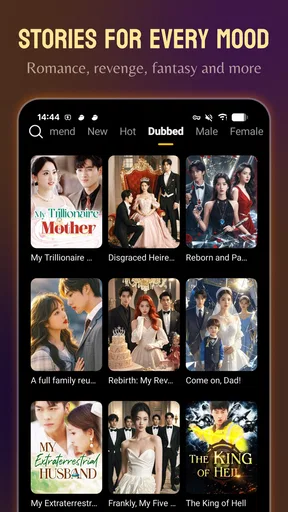
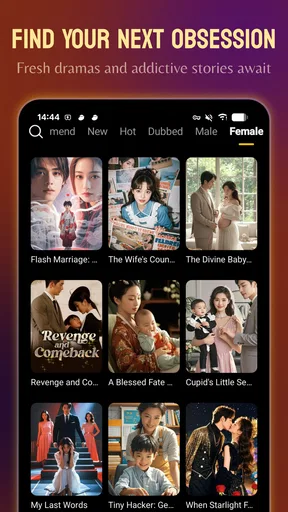



 Analysis by AppCompare
I approached DramaPlay as a lightweight way to spend a few spare minutes with short-form drama rather than as a replacement for a full television or streaming service. Its purpose is immediately clear: it gathers short dramas in one place so I can open the app, choose something that looks interesting, and start watching without planning an entire evening around it. That simple focus is the main reason to consider it.
The app sits in the Tools category, although the actual experience is entertainment-led. ZhiXiang Cloud Trading Limited is the developer, and the current release is version 1.0.3. It is free to use, carries an Everyone age rating, and runs on Android 8.0 or later. Those details make it approachable for people using older compatible phones, especially anyone who wants a straightforward short-drama destination without paying before trying it.
My overall impression is cautiously positive. The service feels aimed at quick viewing: a commute, a lunch break, or the few minutes before bed. At the same time, its early-stage identity matters. With an average score of 4.0 from around 97 ratings and 17 written reviews, the public response is encouraging but still limited. The app has also passed 10K+ installs, so there is some real-world adoption, though it is not yet in the same conversation as the biggest established video platforms.
How DramaPlay feels in everyday use
The best way to use DramaPlay is to treat it as a browsing-first app. I would open it when I want a quick story, not when I already have a particular film, actor, or long series in mind. That distinction is important because the store summary promises a collection of engaging short dramas, while the practical value comes from how quickly that collection helps me decide what to watch.
Short dramas work well when attention is fragmented. If I have ten minutes before leaving home, a traditional streaming app can feel excessive: I may spend much of that time browsing, comparing thumbnails, and deciding whether a full episode is worth starting. A short-drama app has a more natural role in that situation. I can sample a premise, watch a compact installment, and stop without feeling that I abandoned a larger viewing commitment.
A realistic scenario would be a daily bus ride. I would open the app before boarding, select a drama that fits my mood, and watch while the journey lasts. If the ride ends halfway through, the experience is still useful because short-form viewing is built around interruptions. I would not depend on it for a carefully scheduled movie night, but I would keep it in mind for small gaps in the day.
That convenience also creates a trade-off. Short dramas often need to establish conflict quickly, so the storytelling may feel more direct and compressed than a conventional television series. I enjoy that pace when I want immediate tension, but I would choose a larger streaming service when I am looking for slower character development, a broad catalog, or a polished long-form production.
Worth Reading Before You Choose

EA SPORTS FC Mobile 26 Is a Bigger Football Game, but It Takes Time

Flipboard Shows What News Apps Must Do Beyond the Feed

Switching to Android Auto Means Rethinking Your Driving Routine

Google Calendar Makes a Crowded Week Easier to Manage

Ludo King Makes the Most of the Minutes Between Plans

Baby Panda World Brings Quick Play to Modern Phones, but Its Game Library Feels Busy
The right audience for this format
DramaPlay is most appealing to viewers who prefer short bursts of fiction and do not want to commit to a long episode. It may also suit someone discovering short dramas for the first time, because the free price removes the need to make a financial decision before understanding the format. For a casual viewer, that is a meaningful advantage: install it, explore the available selection, and decide whether the rhythm matches your habits.
I would be less likely to recommend it to someone who mainly watches documentaries, live events, major international releases, or long-running prestige series. Those needs require a deeper content ecosystem than a focused short-drama app is designed to provide. It is also not the right choice if you expect every title to match your preferred language, genre, or production style. A narrow purpose is useful, but it can also limit variety.
What the current release tells me
Version 1.0.3 suggests a young product that is still establishing its basic identity. I see that as neither automatically good nor bad. A newer app can feel less burdened by unnecessary complexity, and a focused interface may be easier to understand than a large entertainment platform filled with unrelated sections. The downside is that early releases deserve a little patience: navigation, content discovery, and the overall viewing flow may continue to change as the developer learns what viewers actually use.
The release date of July 28, 2026 also places this version at the beginning of its public life. I would therefore judge it primarily on its present usefulness rather than on assumptions about a future catalog or upcoming tools. The current evidence supports trying it as a free short-drama option; it does not justify treating it as a mature alternative to every established streaming service.
For existing users, the move to version 1.0.3 is best understood as a current checkpoint rather than a dramatic reinvention. I would update through the normal app channel and then spend a few minutes checking whether browsing and playback feel comfortable on my particular phone. That small habit is worthwhile with a young application because an experience that feels smooth on one device may feel different on another, especially when the phone is older or storage is limited.
A practical viewing routine
I found that the app makes more sense when I decide the viewing window before opening it. For a short break, I would browse only until I find a premise that genuinely interests me, then start watching rather than endlessly scrolling. This prevents the familiar problem of turning a quick entertainment session into a longer search session.
I would also separate casual discovery from intentional watching. During a relaxed evening, I might sample several dramas and note which style appeals to me. During a commute, I would choose quickly and avoid experimenting. That simple split helps the app serve two different purposes: discovery when I have time, and convenient viewing when I do not.
Another useful habit is to judge a title by whether its opening earns your attention, not merely by its thumbnail. Short-form drama depends heavily on a fast hook, but a striking image does not guarantee that the pacing will suit you. Giving a title a brief test is more reliable than assuming every selection will feel equally engaging.
Where it differs from familiar alternatives
Compared with a general video platform, DramaPlay has a clearer premise. A broad platform may offer more total material, but it also mixes dramas with creators, clips, music, news, and unrelated recommendations. That abundance is useful when I want everything, yet it can make a short viewing session feel scattered. DramaPlay’s focused identity is more convenient when I already know I want dramatic fiction in a compact format.
Compared with a major subscription streaming service, the free entry point is the obvious attraction. I can test the concept without adding another recurring entertainment expense. The compromise is that a specialist app may not provide the same breadth, consistency, or long-form depth that users expect from a paid catalog. I would use DramaPlay alongside a larger service, not necessarily instead of one.
Compared with watching short dramas through a mobile browser, a dedicated app should feel more purposeful because the viewing experience starts from a single icon rather than a search page. However, the app only earns that advantage if its browsing and playback remain comfortable. If I am constantly searching elsewhere to understand what is available, the convenience gap becomes much smaller.
Small decisions that improve the experience
Because the app is free, I would begin with a low-commitment test rather than immediately making it part of my daily routine. I would watch across several short sessions and ask three practical questions: do I find a title quickly, does the story hold my attention, and does the app fit the way I use my phone? Those questions are more useful than relying on the rating alone.
I would also avoid judging the entire service from one drama. Short-form catalogs can vary in tone and pacing, so one title may feel too rushed while another works perfectly for a brief break. Sampling different kinds of stories gives a fairer picture of whether the format suits me.
For families, the Everyone rating is reassuring as a broad age classification, but I would still use personal judgement about individual story themes. An age label is a starting point, not a substitute for deciding what a particular viewer should watch. That is especially sensible when several people share one phone or tablet.
Android compatibility from version 8.0 onward is another practical consideration. Users on supported devices should have a reasonable opportunity to try it, while anyone with a much older phone will need to check compatibility before planning around the app. I would also keep expectations realistic on older hardware: the operating-system requirement tells me the app can run within that range, but it does not promise identical performance on every device.
The gaps I would want addressed
The main limitation is not a single missing feature; it is the uncertainty that comes with a young, focused product. I want enough information while browsing to choose confidently, and I want the transition from selecting a drama to watching it to feel effortless. If either part is weak, the app loses the very convenience that makes short-form viewing attractive.
Content depth is another deciding factor. A collection can be engaging without being broad, but regular viewers eventually need fresh reasons to return. I would pay attention to whether the selection continues to feel varied and whether I can discover something new without repeatedly seeing the same small group of titles.
I would also keep a close eye on how well the app serves different viewing habits. Someone who watches one short drama occasionally may be satisfied with a simple experience. A daily viewer will notice repetition, awkward browsing, or any friction much sooner. That difference explains why two people can reach very different conclusions about the same release.
These concerns do not make DramaPlay a poor choice. They simply define the boundary of my recommendation. I would suggest it to a curious viewer who wants free access to short dramas and is comfortable evaluating a newer app on its current experience. I would steer a demanding viewer toward a more established alternative if a large, dependable catalog is the priority.
What I would watch as the app develops
Future progress should be judged by practical improvements rather than by bigger claims. I would look for a smoother path from opening the app to starting a suitable drama, clearer ways to return to something I enjoyed, and a collection that remains interesting after the first few sessions. Those changes would directly improve the app’s usefulness without changing its central idea.
I would also watch how the developer balances simplicity with depth. Adding too many sections could make a short-drama tool feel like a general streaming platform, while adding too little could leave regular viewers with limited discovery. The strongest direction would preserve the quick, focused experience and make it easier to find the right story for a specific amount of free time.
For now, my recommendation is measured but genuine. DramaPlay is worth trying if you want a free, focused way to explore short dramas on a compatible Android device. Its strongest quality is the clear match between its purpose and a common everyday need: filling small breaks with fiction. Its weakest point is that a young service must still prove it can provide enough variety and polish for long-term viewing.
I would install it with modest expectations, test several titles, and keep it if the short format fits my routine. I would not choose it as my only entertainment app, and I would not recommend it to someone seeking a deep replacement for a full streaming library. For quick dramatic viewing without an upfront cost, DramaPlay is a sensible app to sample, provided you value convenience more than catalog breadth.
Pros
- Large selection of trending dramas from different regions.
- New episodes and popular titles are easy to discover.
- Smooth video playback on most modern Android and iOS devices.
- Personalized recommendations help match shows to your interests.
- Simple interface makes browsing and starting episodes quick.
Cons
- Some content may require a premium subscription to unlock.
- Video quality and subtitles can vary between individual dramas.
- Availability of shows may differ by country or region.
- Frequent notifications may feel excessive for some viewers.
- Streaming can use significant mobile data without Wi-Fi.
FAQs for DramaPlay - Trending Dramas
What is DramaPlay - Trending Dramas?
DramaPlay - Trending Dramas is an entertainment app designed for viewers who enjoy discovering and watching popular drama content in one place. It typically highlights trending titles, featured series, and recommendations so users can find something to watch without browsing several platforms. The available catalog, categories, and viewing options may vary depending on your country, device, and the app version installed.
Is DramaPlay - Trending Dramas free to download and use?
The application may be free to download, but that does not always mean every feature or title is available at no cost. Some content can include advertisements, optional purchases, subscriptions, or other access restrictions. Before watching, check the pricing details shown inside the app and review the terms presented through the Google Play Store or Apple App Store, especially if a free trial is offered.
Does DramaPlay require an account or subscription?
Whether registration is required can depend on the content and features you want to use. Some users may be able to browse dramas without signing in, while saving favorites, synchronizing progress, or accessing certain episodes may require an account. If the app offers premium plans, carefully check renewal conditions, billing frequency, cancellation instructions, and whether your subscription works across Android and iOS devices.
Can I watch dramas offline with DramaPlay?
Offline viewing should not be assumed unless the app clearly provides a download button for a specific title or episode. If downloads are supported, they may be limited to subscribers, expire after a certain period, require periodic internet verification, or remain playable only within the application. Also consider your device storage and Wi-Fi usage before downloading several episodes or high-quality videos.
Is DramaPlay - Trending Dramas available on Android and iPhone?
DramaPlay - Trending Dramas may be offered for Android and iOS, but availability can differ by region, operating-system version, and device compatibility. Always download it from the official Google Play Store or Apple App Store rather than an unknown website. Before installing, review the listed developer, recent update date, permissions, ratings, and privacy information to confirm that the app is suitable for your device.


